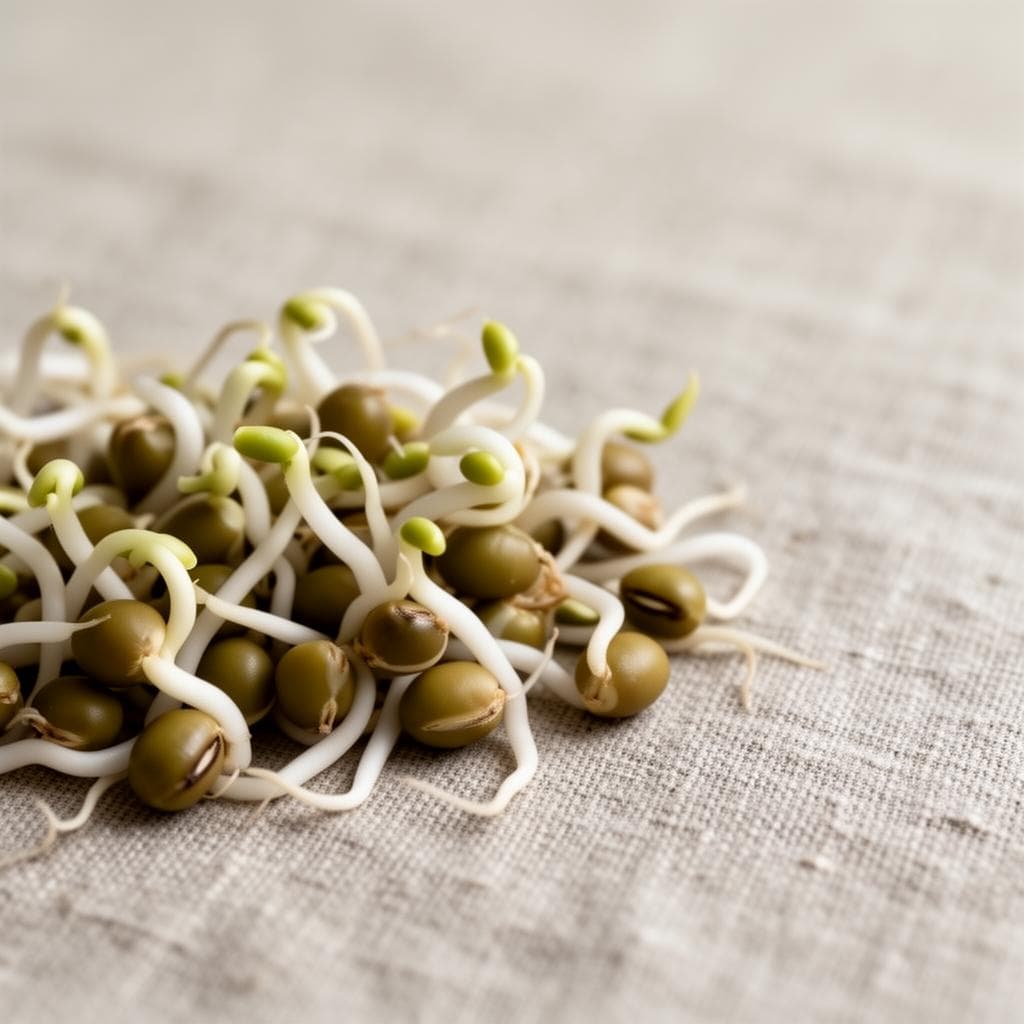
Why Sprouting Changes Everything
By Sandy
There is a difference between eating food… and eating food that is alive.
In a world where most things are processed, rushed, and disconnected from their origin, something as simple as sprouting grains and legumes can feel almost revolutionary.
Not because it is new. But because it is ancient.
What Does It Mean to Sprout?
Sprouting is the process of soaking and allowing seeds, grains, or legumes to begin germination. In simple terms: you take something that is dormant… and you bring it back to life.
A lentil, a chickpea, a grain — when dry, it is in a state of protection. When soaked and given time:
- Enzymes activate
- Nutrients become more available
- The seed begins to transform
It shifts from potential… to expression.
Why This Matters for the Body
Grains and legumes are often experienced as heavy, difficult to digest, causing bloating or gas. But this is not always because they are "bad". Often, it is because they are not prepared in a way the body recognizes easily.
Sprouting changes this. It:
- Reduces anti-nutrients (like phytic acid)
- Supports mineral absorption
- Begins breaking down complex compounds
- Makes proteins and starches easier to digest
In other words: it pre-digests the food for you.
A Gentler Experience for Digestion
For those with sensitive digestion — including bloating, IBS, or heaviness after meals — sprouted grains and legumes can feel completely different.
Less pressure. Less fermentation. More ease. Because the body is no longer asked to do all the work alone.
The Energy of Living Food
Beyond nutrition, there is something more subtle. When a seed begins to sprout, it carries movement, vitality, direction. It is no longer static.
And when we consume this kind of food, there is often a feeling of lightness, clarity, and sustained energy. Not stimulation — but aliveness.
A Different Relationship With Time
Sprouting requires something many people resist: time. Soaking overnight. Waiting. Rinsing. Observing. It cannot be rushed.
And in that process, something shifts. Food preparation becomes more intentional, more connected, less automatic. It invites us to slow down — before we even begin eating.
How to Start (Simply)
You don't need complexity. You can begin with:
- Lentils
- Chickpeas
- Mung beans
- Quinoa
Basic steps:
- Soak for 8–12 hours
- Rinse and drain
- Leave in a jar or bowl, rinsing 1–2 times per day
- Allow small sprouts to form
At this stage, they can be lightly cooked, added to salads, or incorporated into simple meals.
Not Perfection — Just Awareness
You don't need to sprout everything. This is not another rule. It is an option — a way to support digestion, reconnect with food, and bring more life into what you eat. Even doing this occasionally can make a difference.
A Return to Intelligence
For generations, traditional cultures soaked, fermented, and sprouted. Not as trends — but as necessity and wisdom. Somewhere along the way, we lost that connection. And the body feels it.
Returning to these practices is not about going backward. It is about realigning with what the body understands.
A Final Reflection
What if the question is not only: "What am I eating?" But also: "In what state is this food — and how does my body receive it?"
Because sometimes, the shift is not in the ingredient. It is in the way it is brought to life.
If you feel called to explore this more deeply, learning how to prepare food in a way that supports digestion and reduces inflammation can be transformative. Through hands-on experiences and guided practice, you begin to understand your body, feel the difference in how you digest, and build a way of eating that is both nourishing and sustainable.
Stay Inspired
Receive seasonal inspiration, recipes, and mindful living tips from Swara Slow Living.