The Art of Soaking Grains
By Sandy
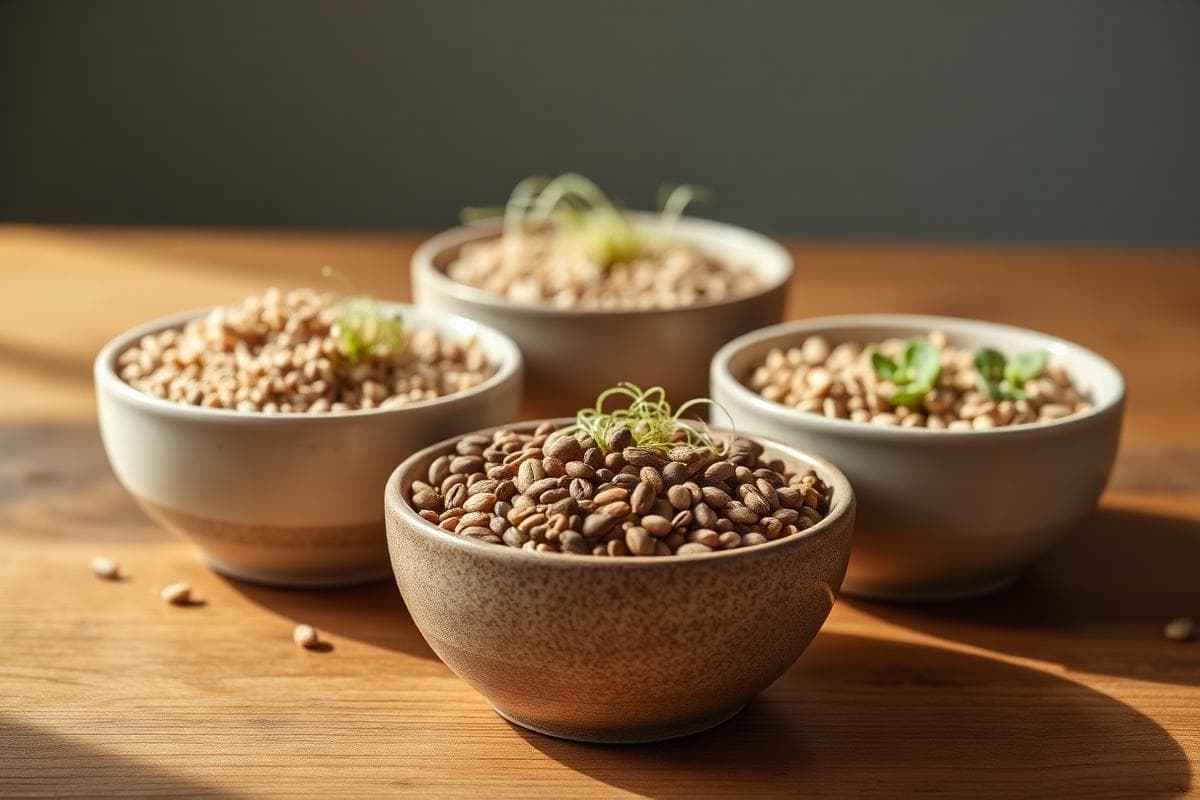
Soaking grains is one of the oldest and most overlooked techniques in traditional cooking. It softens, activates enzymes, and makes nutrients more available to the body.
Why Soak?
Grains, seeds, and legumes contain phytic acid — a natural compound that binds minerals and makes them harder to absorb. Soaking neutralises this, unlocking iron, zinc, and magnesium.
Tip: Soak brown rice for 8–12 hours in filtered water with a splash of apple cider vinegar. Rinse well before cooking.
How to Begin
- Start with one grain: brown rice, oats, or millet
- Use a glass jar with filtered water
- Add a tablespoon of acid (lemon juice or vinegar)
- Soak overnight at room temperature
- Rinse and cook as usual
The texture becomes lighter, the flavor deeper, and your body thanks you. This is slow cooking at its most fundamental — patience as an ingredient, but not in a way that demands effort. You don't need to do anything but allow nature to do its work. It's about observing, understanding, and trusting the natural rhythm of the ingredients. By slowing down, you can be present with the process, connect with the food, and feel the harmony that emerges when you simply let things unfold.
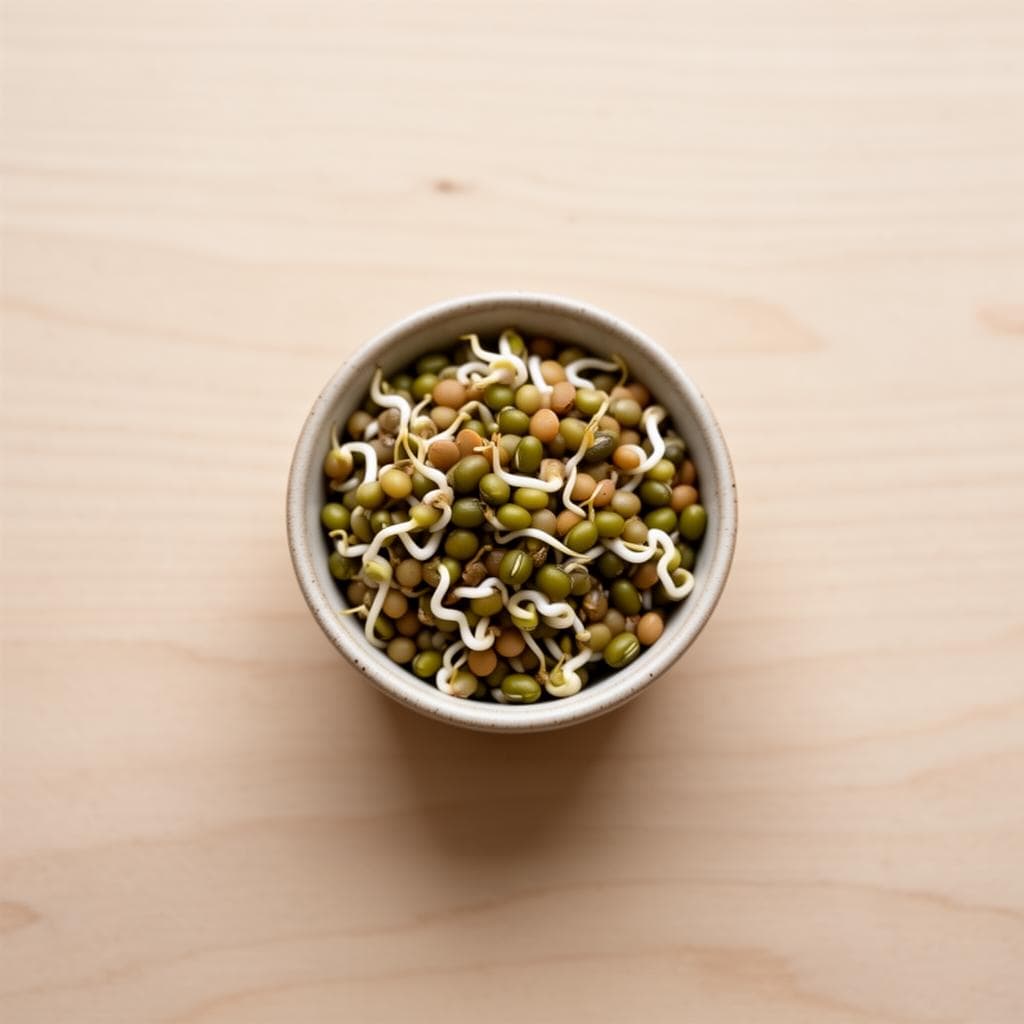
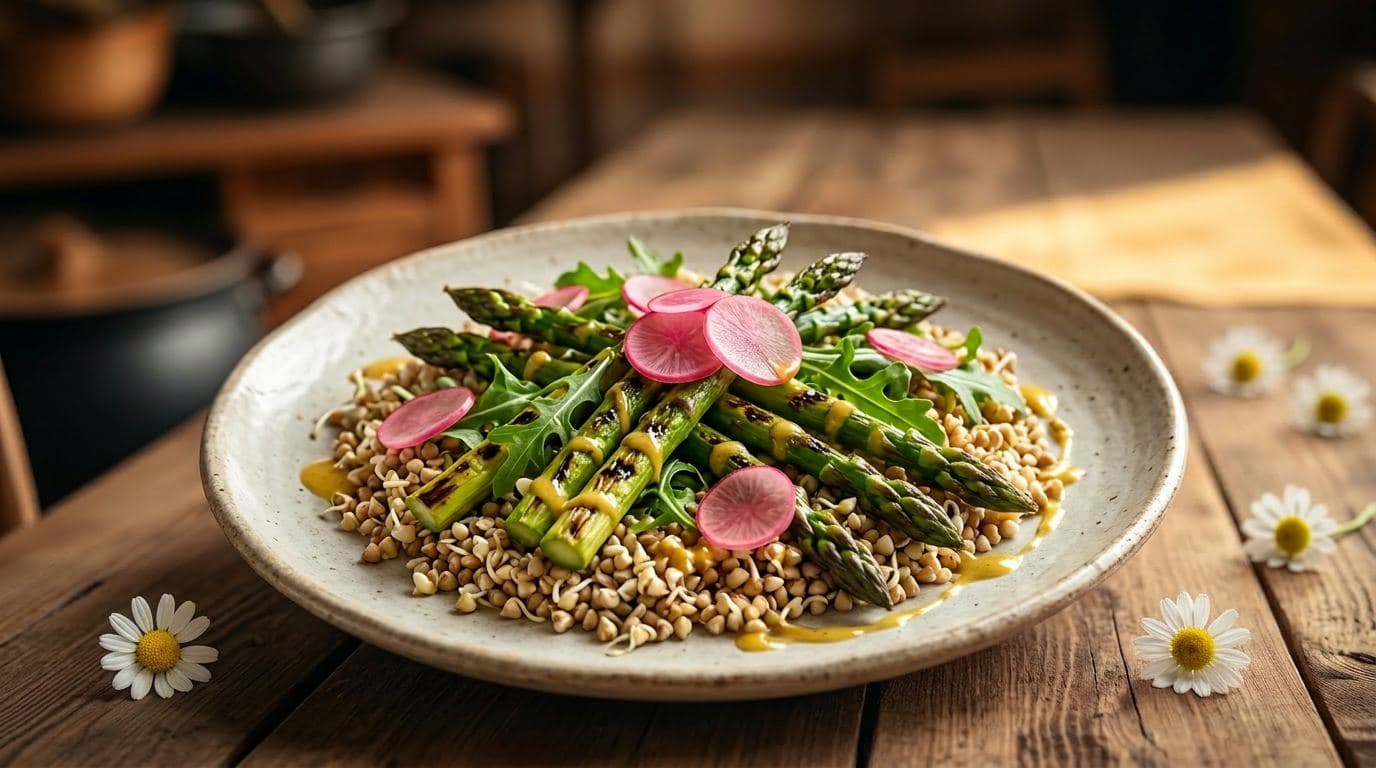
Once you've mastered soaking, the next natural step is sprouting — where grains truly come alive. Discover more in The Living Potential of Sprouted Foods.
Stay Inspired
Receive seasonal inspiration, recipes, and mindful living tips from Swara Slow Living.